
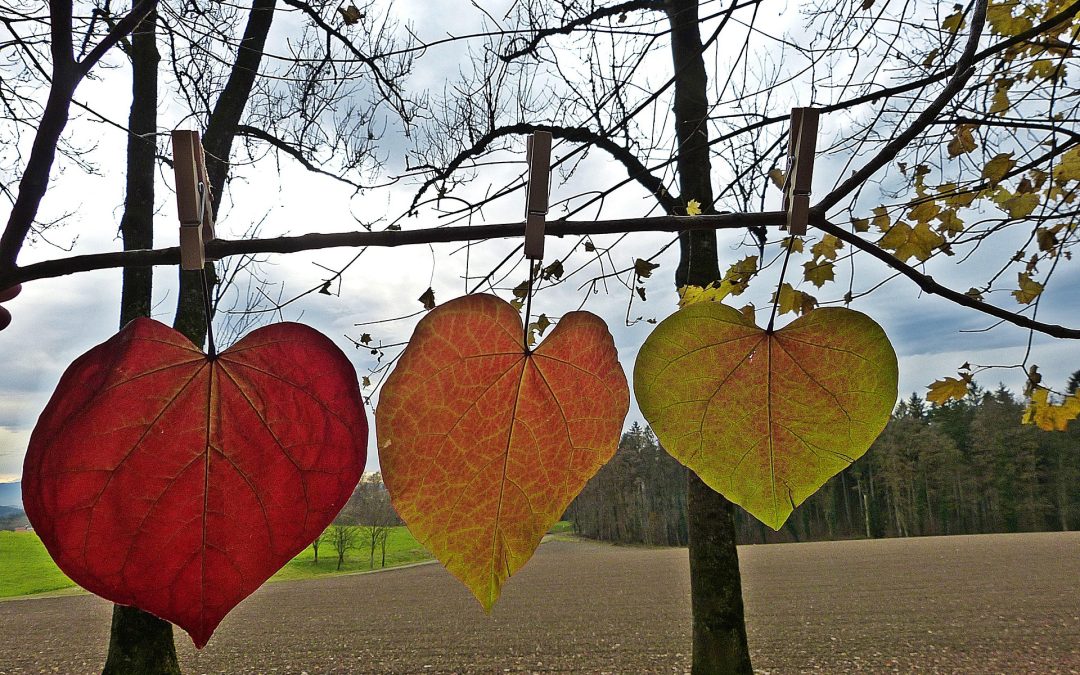
As autumn arrives across Surrey, our trees put on one of nature’s most spectacular displays.
Green leaves begin turning yellow, orange, red and brown before eventually falling to the ground. But have you ever wondered why trees lose their leaves in the first place?
It isn’t simply because they’re getting ready for winter. There is a clever process happening inside the tree.
It all starts with sunlight
Leaves are green because they contain chlorophyll — a pigment that allows trees to absorb sunlight and use it to produce energy through photosynthesis.
During spring and summer, there are plenty of daylight hours and favourable conditions for photosynthesis, so trees keep producing chlorophyll and their leaves stay green.
But as autumn approaches, the days become shorter and the amount of sunlight decreases.
This is one of the signals that tells deciduous trees that winter is on its way.
Where do all those colours come from?
As the tree prepares for winter, it gradually stops producing chlorophyll.
As the green pigment fades, other pigments that were already present in the leaves become visible.
Yellow and orange colours come from pigments called carotenoids — the same pigments responsible for the colour of carrots and some other plants.
Some trees also produce red and purple pigments called anthocyanins during autumn.
This is why different species — and sometimes even different trees of the same species — can put on completely different displays.
So why drop the leaves?
This is where things get clever.
Leaves are useful during the warmer months, but they also require water and energy to maintain.
During winter, the shorter days and colder temperatures make photosynthesis much less efficient. For many deciduous trees, keeping a full canopy of leaves simply isn’t worth the energy and water they would require.
By dropping their leaves, trees can:
- Reduce water loss
- Conserve energy
- Protect themselves from cold and frost
- Avoid the weight of snow and ice on their branches
- Recycle valuable nutrients back into the tree
Before a leaf falls, the tree reclaims useful nutrients from it and stores them for use later.
It’s essentially the tree’s way of preparing for winter and saving its resources.
Why don’t all trees lose their leaves?
Not all trees follow the same strategy.
Deciduous trees, such as Oak, Birch and Maple, lose their leaves during autumn.
Evergreen trees, such as many Pines, Firs and some Eucalyptus species, retain their foliage throughout the year.
Evergreens tend to have leaves or needles that are better adapted to withstand colder or drier conditions and can remain productive for much longer.
Even so, evergreen trees do still lose older needles and leaves — just gradually rather than all at once.
What about trees that lose their leaves early?
If a tree starts losing its leaves much earlier than expected, it doesn’t necessarily mean something is wrong.
Leaf loss can be influenced by several factors, including:
- Drought
- Heat
- Disease
- Pests
- Root damage
- Physical damage
- Sudden changes in weather
The timing can also vary between species and from year to year.
However, if a tree is showing unusual or significant leaf loss, extensive dieback or other signs of poor health, it can be worth getting it professionally assessed.
Autumn is a fascinating time for trees
So the next time you’re walking past a tree covered in golden or red leaves, remember that there’s much more going on than meets the eye.
The tree is responding to changes in light and temperature, reclaiming nutrients, conserving resources and preparing itself for the months ahead.
And then, when spring arrives, those bare branches will begin the whole process again.
Nature has a pretty clever way of looking after itself.
DID YOU KNOW?
A tree doesn’t simply “die back” in winter.
For many deciduous trees, autumn is an active period of preparation. Before the leaves fall, the tree recovers and stores nutrients that can be used when growth begins again in spring.
FROM BEECHWOOD TREE SERVICES
We love seeing Surrey’s trees change throughout the seasons and autumn is certainly one of the most colourful times of year to be out on the tools.
If you’re concerned about a tree on your property or would simply like some professional advice, get in touch with the Beechwood team to arrange a free tree assessment.
Beechwood Tree Services
Looking after Surrey’s trees, one garden at a time.





Recent Comments