Ash Dieback
Do You Need to Fell This Summer?

Ash dieback remains one of the most pressing threats to native trees across the UK. Since it was first recorded in Britain in 2012, this devastating fungal disease has spread rapidly, especially across the South East, including Surrey and Sussex.
As we move into the summer of 2025, more homeowners, landowners, and estate managers are asking the same question — should we be felling our ash trees now? The answer depends on several factors: the health of the tree, its location, the risks it poses, and the pace of disease progression. In this blog, we explain what you need to know about ash dieback in 2025, how to spot symptoms, and whether summer is the right time to act—bridging the latest science to practical decisions for tree owners.

What is Ash Dieback and Why Is It So Dangerous?

Ash dieback, also known as Hymenoscyphus fraxineus, is a fungal pathogen that affects common ash trees (Fraxinus excelsior). It blocks the water transport systems within the tree, causing leaves to wilt, branches to die back, and eventually leading to tree failure. In severe cases, it can kill a tree within a few seasons. What makes the disease so dangerous is its speed and unpredictability. A tree that looks healthy in spring can begin to fail by late summer. Branches may become brittle and snap without warning, especially in windy or dry weather. Given these risks, particularly near public spaces, it’s important to consider changing guidance in 2025.

What’s Changed?

By July 2025, ash dieback is firmly established throughout much of Surrey and Sussex. Data from Forestry Commission surveys shows an increasing percentage of ash trees now exhibiting moderate to severe symptoms. Local authorities and landowners are acting more decisively, especially in high-risk areas such as public parks, woodland edges, and along highways.
 
In the past, many tree owners were advised to monitor rather than remove. However, new 2025 guidance emphasises the importance of early intervention for trees near public spaces or buildings. Waiting too long can result in sudden tree collapse, increased felling costs, and significant liability risks. Understanding how these changes apply to your trees is crucial this summer.
 
Beechwood Tree Services has already carried out dozens of ash dieback assessments across the region this year. Many of these trees, while not yet dead, showed enough structural compromise to warrant removal during the summer window.
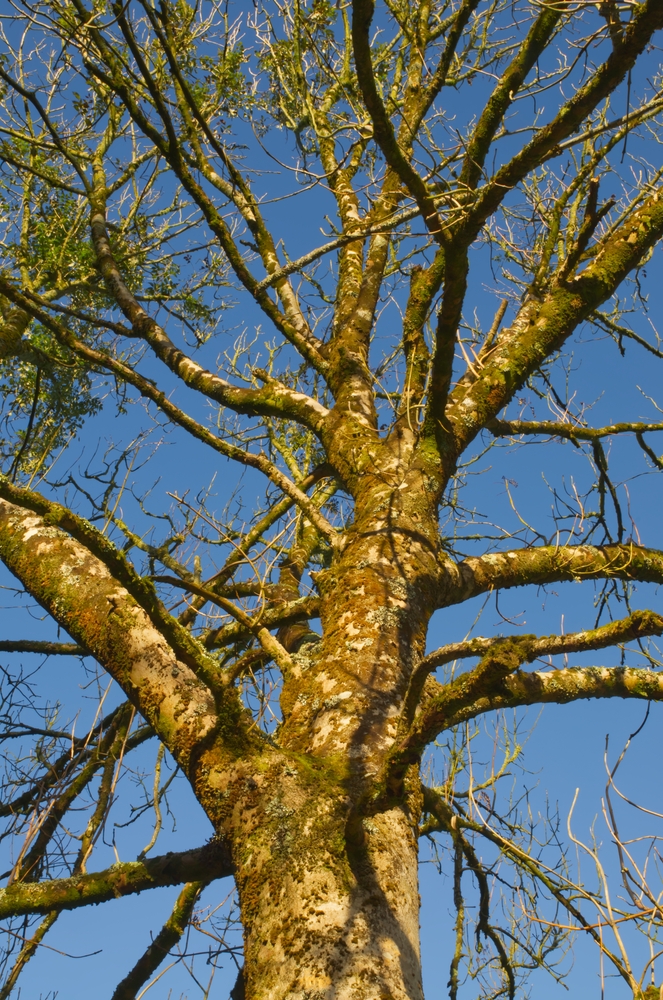
Ash,Tree,Of,Diseased,Trunk,Looking,Up,,Branch's,With,Leaves

Should You Fell an Ash Tree This Summer?

Summer is often the best time to deal with ash dieback-affected trees. The disease becomes more visible after leaf flush, making July and August ideal for spotting crown thinning, leaf loss, and bark lesions. With foliage fully developed, it’s also easier for arborists to assess the extent of dieback throughout the crown.
 
Felling in summer also avoids the nesting bird season, which typically runs until the end of July. By August, most birds have fledged, and tree work can proceed without disturbing protected species. However, checks are still required, and Beechwood’s team always conducts a nesting inspection before any cutting begins.
 
The key question is risk. If your ash tree is in a remote location, showing only minor symptoms, and part of a wider woodland, you may not need to act immediately. But if it stands near a footpath, driveway, garden fence, or outbuilding, even early-stage dieback could make it a liability.

What Are the Signs That a Tree Needs Removal?

By the time a tree reaches late-stage ash dieback, it may already be beyond safe recovery. Common signs include: Leaves wilting or falling early, crown thinning and epicormic growth sprouting from the base or trunk. Other signs are diamond-shaped lesions on the bark where the fungus has entered and begun killing tissue, dead or brittle branches and structural instability.
 
If your ash tree is displaying any of these signs, it’s time to get it checked by a qualified arborist. Acting promptly—rather than delaying—can reduce removal risks, costs, and ensure next steps flow smoothly, including choosing the right professional for the work.

Replanting After Felling: Supporting Biodiversity Post-Dieback

One of the saddest aspects of ash dieback is the loss of biodiversity. Ash trees support over 1,000 species of insect, bird, and fungi. That’s why Beechwood Tree Services encourages every client to consider replanting after felling, especially with native or climate-resilient alternatives.
 
Species such as field maple, hornbeam, wild cherry, and small-leaved lime are all excellent replacements, depending on soil and space. In 2025, our planting team offers bespoke replanting plans designed to restore canopy cover, increase habitat diversity, and future-proof your land. We also provide follow-up care to ensure your new trees thrive, even in the face of hotter summers and shifting weather patterns. With mulching, watering schedules, and formative pruning, we help new trees get established quickly and healthily.
Contact Beechwood Tree Services Today
Now is the ideal time to have your ash trees assessed. Don’t wait for issues to arise. Beechwood Tree Services offers ash dieback inspections, safe removals, and replanting solutions throughout Surrey and Sussex. From Horsham to Reigate, Guildford to Crawley, our expert team works with homeowners, estates, schools, and councils to manage ash dieback the right way — safely, sustainably, and professionally. Call or use our online form for expert, no-obligation advice on your ash trees.